From Ancient Oceans to Modern Landscapes
Stand on almost any patch of dry land, and there is a reasonable chance you are standing on what was once, at some point in Earth’s long history, part of an ancient seafloor. That is the result of geological processes that have reshaped Earth’s surface again and again over hundreds of millions of years.
Why Ancient Seas Were Not Always Where Oceans Are Now
Sea levels and coastlines have changed dramatically over geological time, driven by shifting continents, changes in polar ice volume, and tectonic plate movement. During periods when sea levels were higher, shallow seas covered land that is dry today, exactly the kind of environment many trilobite fossils are now found in.
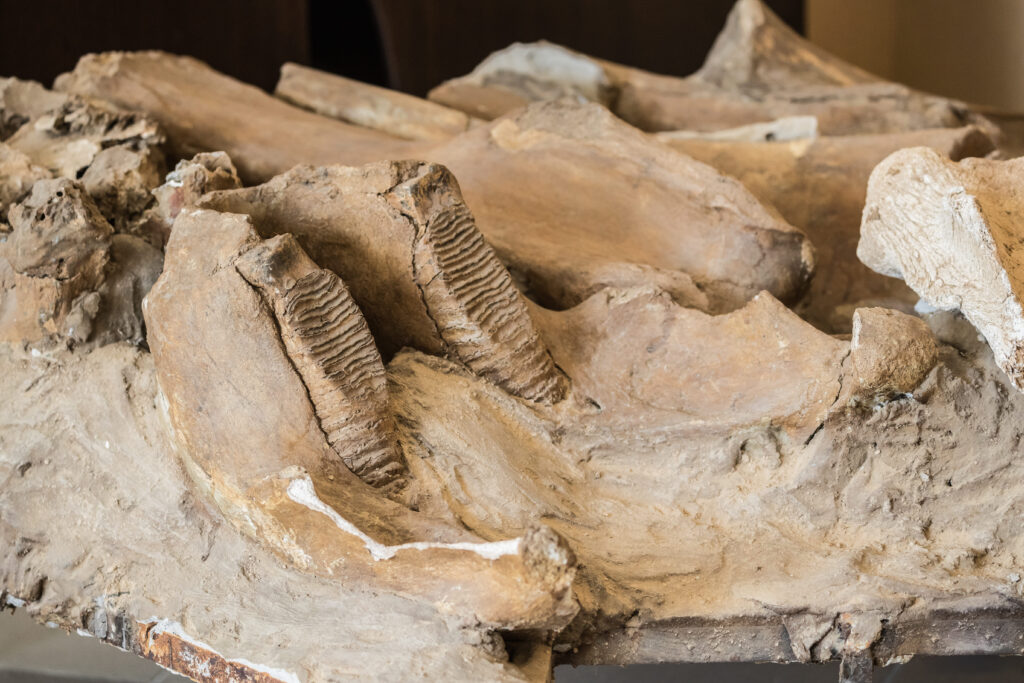
Erosion and Deposition: Two Sides of the Same Process
Erosion wears away and removes rock and soil material via water, wind, and ice. Deposition settles that material elsewhere. A river erodes its banks upstream and deposits sediment downstream, building deltas or floodplains. This is a genuinely continuous process, actively shaping the beaches and coastlines around us today.
Water’s Central Role
Water transports sediment, drives chemical weathering, carries dissolved minerals that cement sediment into rock, and later helps break that same rock back down through weathering and erosion.
Soil, Sediment, Dirt, and Rock: What Is the Difference?
Sediment is loose particles like mud, sand, and silt. Rock forms once that material compacts and cements together. Soil is a distinct mixture of weathered mineral material and organic matter that supports plant life. “Dirt” is really just an informal word for soil or loose sediment.
Why This Matters for Understanding Fossils
This entire cycle is exactly why fossils like trilobites can turn up in such a wide range of places today. Every trilobite fossil is a small, preserved piece of an ancient environment, and the rock around it tells the rest of that environment’s story.
Read more about how sediment becomes rock, or return to the Weeks Trilobites homepage.